 |
|||
 |
|||
 |
 |
 |
|
 |
|
 |
 |
 |
|||
 |
|||
 |
|||
 |
 |
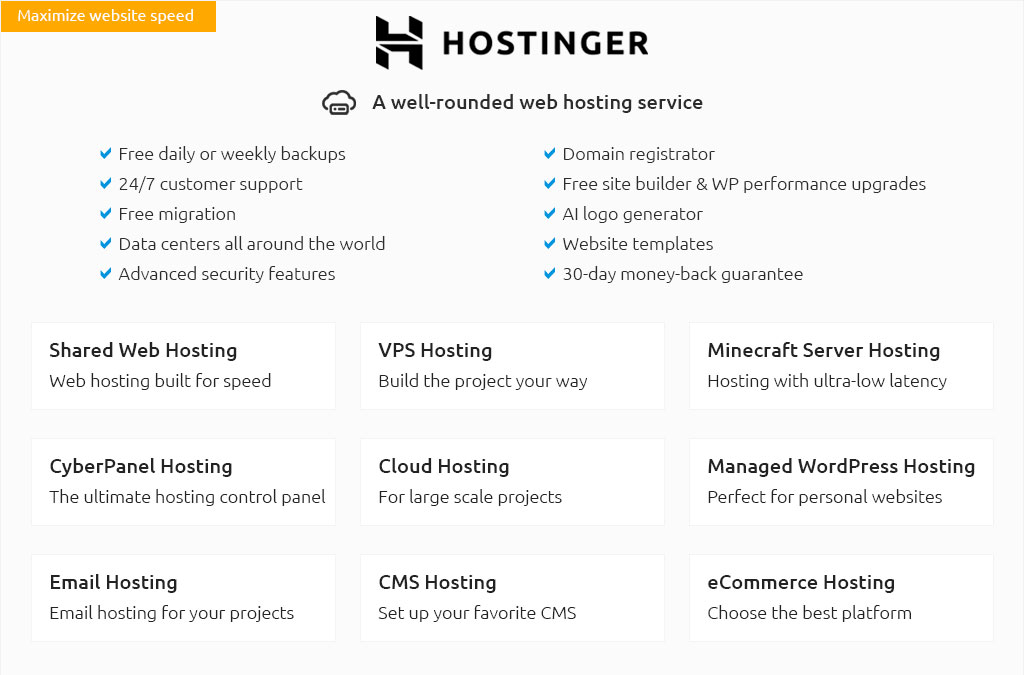
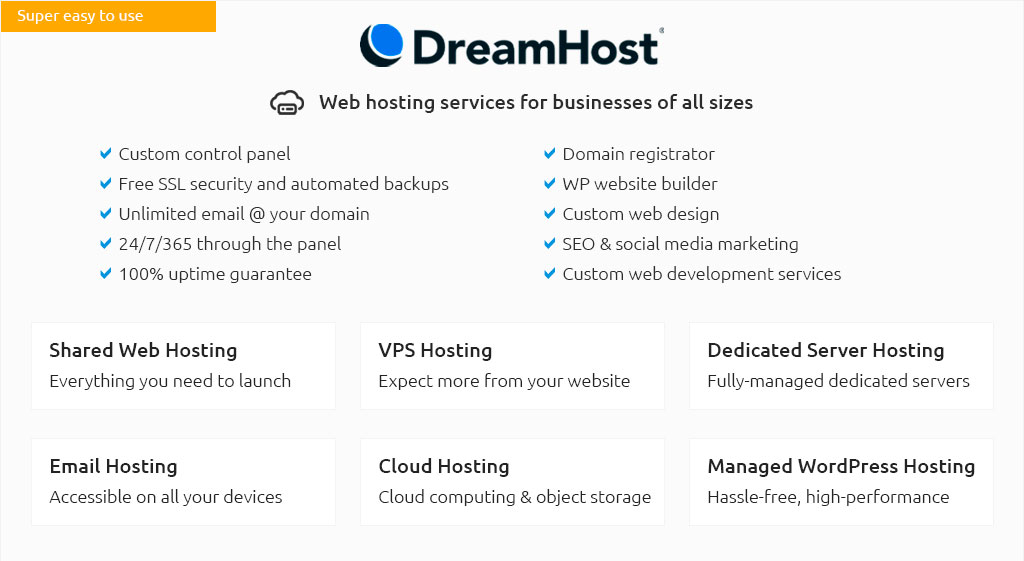
Understanding Web Design Hosting Packages: A Comprehensive GuideIn today's digital age, the cornerstone of a thriving online presence often hinges on the robustness of one's web design and the hosting package chosen. Selecting the right hosting package is akin to laying a strong foundation for a skyscraper; it is the base upon which the entirety of your online identity will stand. But how do you discern which hosting package will best serve your web design needs? In this exploration, we will delve into the intricacies of web design hosting packages, offering a nuanced perspective that aims to illuminate this pivotal choice. Firstly, it's crucial to understand what a web design hosting package entails. Essentially, these packages provide the resources necessary for a website to be accessible on the internet, including storage, bandwidth, and support services. The selection of a hosting package can significantly impact the performance, speed, and reliability of your website, which are critical factors in retaining visitors and achieving a high search engine ranking. There are a myriad of options available, each offering a unique set of features tailored to different needs and budgets. The most common types include shared hosting, virtual private servers (VPS), dedicated hosting, and cloud hosting. Shared hosting is often the most economical choice, ideal for small websites or blogs, as it involves sharing server resources with other sites. While cost-effective, it can sometimes lead to slower load times if traffic surges occur on neighboring sites. VPS hosting offers a step up, providing a more isolated environment, which translates to better performance and control. This is particularly beneficial for growing businesses that anticipate increased traffic and require greater customization options. Dedicated hosting, as the name implies, allocates an entire server to your website, ensuring optimal performance and security, a fitting choice for larger enterprises with substantial traffic volumes. Meanwhile, cloud hosting has gained popularity for its scalability and reliability. Utilizing a network of servers, cloud hosting ensures that resources are available as needed, making it an excellent choice for websites with fluctuating traffic patterns. Additionally, the redundancy of a cloud setup means that downtime is significantly minimized. Beyond the technical specifications, one must also consider the quality of customer support offered by hosting providers. A provider with responsive, knowledgeable support staff can be a lifeline in the event of technical difficulties, which, inevitably, will arise. Thus, opting for a package that includes robust support services is indispensable. Furthermore, the integration of user-friendly control panels, like cPanel or Plesk, can greatly enhance your web management experience. These interfaces simplify the process of managing domains, installing applications, and monitoring site performance, even for those who may not be particularly tech-savvy.
In conclusion, choosing the right web design hosting package is a decision that requires careful consideration of multiple factors, including the nature of your website, anticipated traffic, and the level of support you might need. By understanding the different types of hosting and evaluating the features they offer, you can make an informed choice that aligns with your long-term online goals. Remember, the right hosting package not only supports your current needs but also paves the way for future growth and success in the digital realm. https://business.earthlink.net/services/website-development/
eCommerce Website Plus ; Free domain for one (1) year* ; Secure and reliable hosting ; Premium design options ; Email Accounts ; Branded email accounts, 100, 200 ... https://www.pcmag.com/picks/the-best-website-builders
WordPress.org software is such a popular site-building platform that many web hosting services even offer managed WordPress hosting plans. WordPress.com ... https://foxxr.com/packages/website-design/
**Premium hosting is offered through our partnership with the world-class WP Engine WordPress hosting environment on a proven, reliable architecture that ...
|
